Engine trouble in a Japanese import often presents as hesitation during acceleration, a slight vibration at idle, reduced fuel economy, or a check engine light that flickers on and off. These subtle signals often point to complex issues that require more than a quick scan and parts replacement.
At Japanese Import Pros, we find the source of performance problems through methodical testing, live data analysis, and an understanding of how Japanese engine systems interact with each other. The goal is to restore the smooth, efficient performance your vehicle was built to deliver.
What Makes Japanese Import Engine Diagnostics Different
Japanese manufacturers design engines with tightly integrated systems where one component’s performance affects several others. A misfiring cylinder might stem from ignition failure, fuel delivery issues, compression loss, or valve timing problems. Without understanding how these systems communicate, technicians often replace parts based on probability rather than evidence.
Japanese engines also use unique technologies that demand specialized knowledge. Honda’s VTEC variable valve timing operates differently than Toyota’s VVT-i or Nissan’s CVTC. Subaru’s horizontally opposed boxer engines have distinct wear patterns compared to inline-four designs. Turbocharged models from Mitsubishi and Subaru require boost pressure analysis and wastegate testing that standard diagnostic procedures skip.
When a check engine light appears, the fault code indicates where the problem was detected — not necessarily what caused it. A code for low catalytic converter efficiency could mean a failing catalyst, but it might also signal an oxygen sensor reading incorrectly, an exhaust leak upstream, or engine oil consumption affecting emissions.
Accurate diagnosis separates the symptom from the source.
How We Diagnose Engine Problems
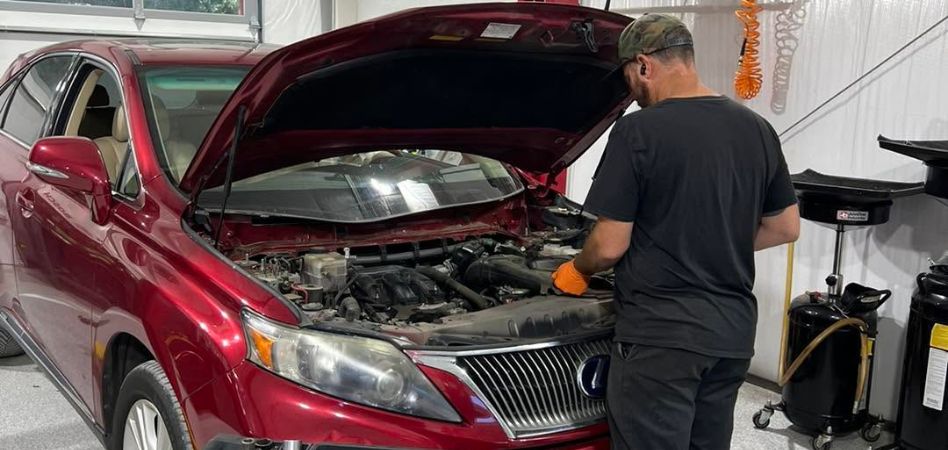
Our diagnostic process starts before connecting a scan tool. We ask about driving conditions when the problem occurs, recent maintenance history, and any changes in performance over time. That context helps narrow possibilities before testing begins.
Once we connect factory-level diagnostic equipment, we’re looking at more than stored codes. We review freeze frame data to see what the engine was doing when the fault occurred, including speed, load, temperature, and fuel delivery. We monitor live sensor data while the engine runs, watching for values that drift outside normal ranges or respond incorrectly to changing conditions.
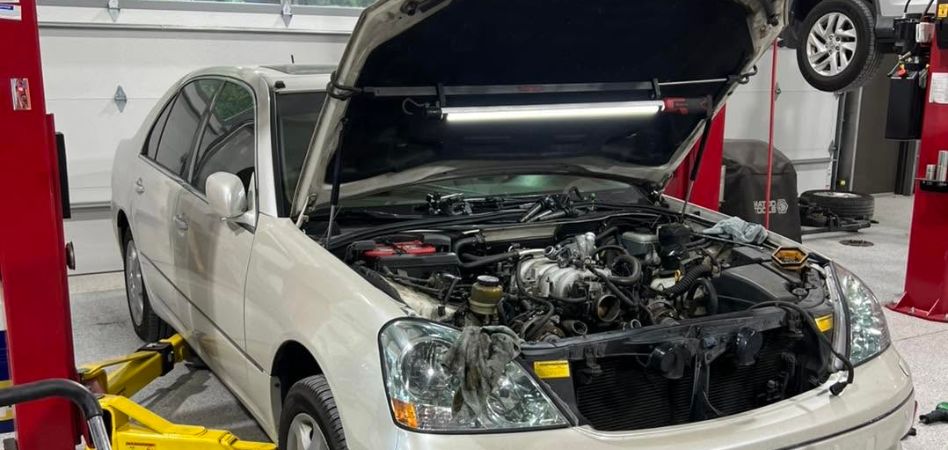
Physical inspection follows electronic testing. A scan tool won’t catch a cracked vacuum line, corroded wiring connector, or oil leak contaminating sensors. We check intake systems for leaks, inspect wiring harnesses for damage, and verify mechanical components match electronic readings.
When needed, we perform component-level testing. If a fuel injector shows abnormal spray patterns, we test flow rate and resistance. If compression seems low, we perform leak-down testing to determine whether valves, rings, or head gaskets are at fault. This eliminates guesswork and confirms exactly which parts need replacement.
Engine Issues We See Frequently in Japanese Imports
Certain problems appear consistently across Japanese vehicles, especially as they accumulate mileage or when maintenance schedules slip.
Valve Train Wear and Timing Issues
Variable valve timing systems rely on clean engine oil flowing at precise pressure. When oil changes are delayed or low-quality oil is used, solenoids stick, cam phasers wear, and timing becomes erratic. You’ll notice rough idle, poor low-end torque, or rattling sounds on cold starts. Diagnosis involves checking oil condition, testing solenoid operation, and verifying camshaft position sensor accuracy.
Direct Injection Carbon Deposits
Many modern Japanese engines use direct fuel injection, which sprays fuel directly into the combustion chamber rather than over the intake valves. Without fuel washing over the valves, carbon builds up over time. This causes rough idle, misfires, hesitation, and reduced power. A borescope inspection reveals the extent of buildup, and walnut blasting or chemical cleaning restores airflow.
Turbocharger System Failures
Turbocharged imports — common in Subaru WRX, Mitsubishi Evolution, and some Nissan models — develop boost leaks, wastegate malfunctions, or oil starvation. Symptoms include loss of power under acceleration, unusual whistling sounds, or blue smoke from the exhaust. Diagnosis requires boost pressure testing, inspecting intercooler connections, and checking oil supply lines for restrictions.
Ignition System Degradation
Coil-on-plug ignition systems are reliable but wear out gradually. A failing coil might cause intermittent misfires only under load or at specific RPM ranges. Standard code readers show a misfire but don’t reveal whether the coil, spark plug, or wiring is responsible. We test coil output voltage, check plug condition and gap, and verify resistance values to isolate the failing component.
Mass Airflow Sensor Contamination
MAF sensors measure incoming air volume so the ECU can adjust fuel delivery. When these sensors become contaminated with oil residue or dirt, they report incorrect airflow, causing poor fuel economy, sluggish acceleration, and rough idle. Cleaning or replacing the sensor restores proper air-fuel mixture and performance.
Why Accurate Diagnosis Saves Money
When diagnosis identifies the root cause, repairs address the actual problem instead of masking symptoms. If low compression stems from worn piston rings rather than valves, replacing valve seals won’t help. If a misfire occurs because a fuel injector is clogged rather than a coil failing, replacing the coil leaves you with the same problem.
Accurate diagnosis also prevents repeat failures. If a component failed due to another system malfunctioning, like an oxygen sensor damaged by coolant contamination from a leaking head gasket, fixing only the sensor guarantees it will fail again. Proper diagnosis reveals both the failed part and what caused it to fail.
Engine Repairs Done to Factory Standards
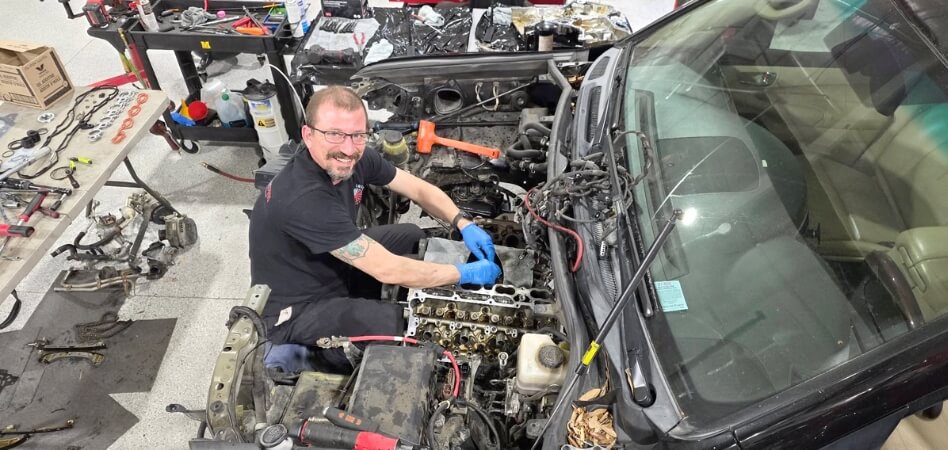
Once we’ve identified the problem, the repair must meet the same engineering standards the vehicle was built to. Japanese engines operate at tight tolerances, and shortcuts during repair lead to oil leaks, coolant leaks, poor performance, or premature component failure.
Factory procedures specify torque sequences, gasket materials, and assembly steps for a reason. Head bolts must be torqued in the correct pattern and sequence to prevent warping. Timing components must be aligned precisely to prevent valve-to-piston contact. Gaskets must be installed clean and dry unless sealant is specifically required.
We follow manufacturer service procedures, use factory torque specifications, and install components in the correct order. If a procedure requires a specific tool, like a crankshaft holding tool or camshaft alignment pin, we use it. Improvising or skipping steps might save time initially but creates problems later.
Why Engine Repairs Require Factory-Quality Parts
Engine internals operate under extreme heat, pressure, and friction. Components must be manufactured to exact specifications or they won’t perform reliably. Pistons, bearings, gaskets, and seals aren’t interchangeable between brands — they’re designed for specific clearances, materials, and operating conditions.
Non-factory engine parts may appear identical but differ in critical ways. Gaskets might use different materials that compress unevenly under heat. Sensors might not communicate correctly with the ECU. Timing components might wear faster or create additional noise. These differences lead to oil leaks, coolant leaks, rough running, or repeat failures.
Factory parts are engineered to match your engine’s exact specifications. They fit correctly without modification, seal properly under operating temperatures, and last as long as the original components. Using them ensures the repair holds up under real-world driving conditions.
When to Seek Japanese Engine Diagnostics in Charleston
Some symptoms demand immediate attention before they cause permanent damage. Others develop gradually and can be addressed during scheduled maintenance. Knowing the difference helps you avoid breakdowns and costly repairs.
Immediate concerns include:
- Check engine light flashing (indicates misfire that can damage catalytic converter)
- Sudden loss of power or engine stalling
- Knocking or pinging sounds under acceleration
- Smoke from the exhaust (blue, white, or black)
- Overheating or temperature warning lights
Schedule diagnostics soon if:
- Check engine light stays on continuously
- Reduced fuel economy without explanation
- Rough idle or vibration at stops
- Hesitation or stumbling during acceleration
- Unusual odors (burning oil, fuel, coolant)
Catching problems early prevents minor issues from escalating into major repairs. A small vacuum leak causing rough idle is inexpensive to fix. Ignoring it until the engine runs lean enough to damage the catalytic converter turns a $50 repair into a $1,500 problem.
Long-Term Engine Reliability Starts with Proper Repairs
Your Japanese import’s engine was designed to deliver hundreds of thousands of miles of reliable service. Achieving that requires accurate diagnosis when problems occur, repairs done to factory standards, and maintenance that prevents future issues.
By choosing diagnostic expertise that understands Japanese systems, repairs performed with genuine components, and technicians trained on manufacturer procedures, you’re protecting your investment and ensuring your vehicle performs as intended.
Engine problems don’t have to mean uncertainty or repeat repairs. Schedule a diagnostic appointment and we’ll identify exactly what your engine needs.