What Dealers Don’t Tell You
If you drive a Lexus in the Charleston area long enough, you eventually run into the same surprise: the service bill is higher than you expected. Maybe it’s your first 30,000‑mile visit. Maybe it’s the first time you need brakes. Either way, you start wondering what Lexus service costs in Charleston, SC, should look like — and whether the dealership is your only option.
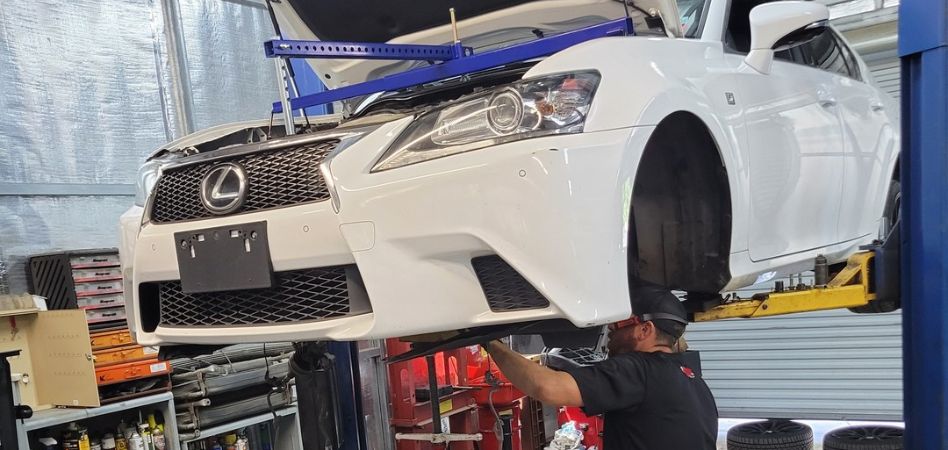
At Japanese Import Pros, our expert technicians spend their days working on Lexus and other Japanese vehicles. We see both sides: the factory maintenance recommendations that dealers and independent shops follow and the actual parts and labor those cars really need based on how they’re driven.
In this blog, we’ll break down typical costs, how driving conditions affect maintenance, and how to keep your Lexus in top shape without overpaying.
Why Lexus Service Costs Feel All Over The Place
Two owners with the same Lexus model and similar mileage can walk out of two different shops with very different invoices. That’s not your imagination. A few factors drive that, including:
- Labor rates are higher at many franchised dealerships.
- Some shops strictly follow a “maintenance menu,” while others tailor recommendations to how and where you drive.
- Parts pricing and markups vary.
- Some advisors lean more heavily into add‑on services like flushes and system cleanings.
Both dealers and independent specialists start with the same factory maintenance guide, which is built around “normal” driving conditions. The difference often comes down to how closely your service is customized to your actual use — for example, regular towing to the boat ramp or mostly short‑trip city driving.
That’s why it’s common to see a routine visit priced one way at the Lexus dealership and somewhat differently at a Lexus‑focused independent shop.
Real-World Lexus Service Costs in Charleston
Every car and visit is unique, but there are patterns. Here’s a realistic look at what many local Lexus owners see when they compare:
| Service | Typical Lexus dealer range | Typical independent specialist range |
| Synthetic oil & filter change | $120–$160 | $90–$120 |
| Tire rotation & basic inspection | $30–$50 | Often included with service |
| Cabin & engine air filters | $140–$200 | $90–$140 |
| Brake fluid exchange | $170–$230 | $120–$170 |
| Front brake pads & rotors | $600–$850 | $450–$650 |
| 30K / 60K “major” service | $650–$950+ | $400–$700 |
You don’t have to memorize the numbers. The key point is simple: for the same factory‑recommended maintenance, a Lexus‑savvy independent shop typically comes in noticeably more cost‑effective, especially once you move beyond basic service and into repair work.
How Driving Conditions Change the Maintenance Picture
The factory maintenance guide is a starting point, not a one‑size‑fits‑all rule. In the Charleston area, how you use your Lexus can have a big impact on what makes sense at each mileage:
- Frequent towing (common with boats and trailers) can justify more frequent transmission and differential fluid changes.
- Short‑trip, stop‑and‑go driving can be harder on oil, brakes, and some fluids than mostly highway commuting.
- Salt air and coastal conditions can accelerate corrosion and affect underbody components and some rubber parts.
Dealers and independent shops both rely on the factory schedule, but the best results come when those guidelines are combined with a real conversation about how you actually use your vehicle. That’s where a more personal, non‑commission‑driven approach becomes valuable: the recommendations are still grounded in Toyota/Lexus engineering, just better matched to your real‑world driving.
What’s Inside Those “Major Service” Packages
The first time you see a 30,000‑ or 60,000‑mile service estimate, it can feel like a mystery line item. What are you actually paying for?
Those packages typically include some combination of:
- Oil and filter
- New cabin and engine air filters
- Tire rotation and brake inspection
- Fluid checks and top‑offs
- Sometimes a brake fluid change or other fluid service
All of that makes sense on paper. The real question is whether each item is due for your Lexus right now, given its mileage, age, and driving conditions.
A specialist shop will usually start with the Lexus maintenance schedule, then look at your car: how it’s driven, how it’s been serviced in the past, and what the inspection shows today. If an item can safely wait, you’ll hear that. If something is overdue or urgent, you’ll hear that, too. The point is to match the visit to the vehicle and driver, not just the menu.
Where Owners Often Overpay (Without Realizing It)
If you’ve had a Lexus for a while, you’ve probably seen at least one of these on an estimate:
- Multiple fluid flushes bundled together
- Fuel system cleanings that appear every visit
- Throttle body cleaning on a car with no drivability complaints
- Cabin and engine filters swapped more often than the manual suggests
Are these always wrong? No. In some driving conditions, they’re completely appropriate. But they’re not always necessary, and when every visit includes a handful of extras, your long‑term Lexus service cost climbs quickly.
A shop that lives in the Toyota/Lexus world — and takes time to ask how you actually use your vehicle — knows when these items are truly helpful and when they can reasonably be deferred.
Independent vs. Dealer: What Actually Changes?
From the outside, the main difference you see is the total. Under the hood, a few other things are worth paying attention to:
- Labor rate. Independent shops tend to charge less per hour than dealers, which immediately changes the math on both maintenance and repairs.
- Focus. A general shop might work on anything with four wheels. A good Japanese import specialist spends most days working on Toyota, Lexus, Honda, and similar brands, which means faster diagnostics.
- Parts choices. There’s a time for genuine Lexus parts and a time when high‑quality aftermarket parts are a smart way to save, especially on repairs. A specialist can explain those trade‑offs and let you choose.
- Communication and incentives. At an independent shop without sales quotas or commission‑based advisors, the conversation can focus more on what your vehicle needs and your budget, not on meeting a number.
The objective isn’t to say the dealer is “wrong” but to highlight that you have another option: factory‑level maintenance and repairs, performed by certified technicians with decades of dealership training and experience, often at a more cost‑effective price point and with more individualized guidance.
Will Going Independent Mess Up My Warranty?
This is one of the most common questions Lexus owners in Charleston ask, and it’s understandable. You’ve invested a lot in your vehicle, and you don’t want to risk coverage.
The short version is that you don’t lose your warranty just because you use a trusted independent shop for maintenance. What matters is that:
- The required services are performed on schedule (adjusted as needed for your driving conditions).
- The correct fluids and parts are used.
- The work is documented.
A good shop will make sure you have clear invoices and records you can show a dealer or future buyer. And if something is clearly warranty or recall territory, they’ll typically point you back to the dealer rather than trying to sell you a repair you shouldn’t be paying for out of pocket.
When the Dealership Still Makes Sense
Even as an independent shop, it’s honest to say there are times the dealer is your best stop:
- Recall repairs
- Covered warranty work on newer vehicles
- Complimentary maintenance that comes with a recent purchase
Think of it less as an either/or choice and more as using each option where it makes the most sense. Many Lexus owners use the dealer in the early years, then transition to a specialist for long‑term care once the free services and basic warranty coverage are behind them.
Putting It All Together: What To Do Next
If you’ve read this far, you’re probably not just casually browsing — you’re trying to make a smarter decision about where to service your Lexus.
Here’s how to use this information the next time that maintenance reminder pops up:
- Check your maintenance schedule. Start with what Lexus calls for at your mileage, then factor in how you really drive (towing, short trips, highway, etc.).
- Get itemized estimates. Ask both the dealer and a Lexus‑focused independent shop for a line‑by‑line breakdown, not just a lump “major service” price.
- Compare the “why,” not just the total. A slightly higher price can make sense if it includes clearly explained, necessary work based on your driving conditions. A lower price with vague answers is a red flag.
- Choose the shop that treats you like a partner, not a number. The right place will explain your options, talk through timing, and help you build a plan for the next 20–30,000 miles — without sales quotas in the background.
The cost of Lexus service doesn’t have to be a mystery or a constant source of sticker shock. With the right information — and the right shop — you can keep your car in top shape, avoid unnecessary work, and know that the money you spend is actually doing something useful for your vehicle.
If you think it’s time to book a Lexus service appointment in the Charleston area, contact Japanese Import Pros today.